
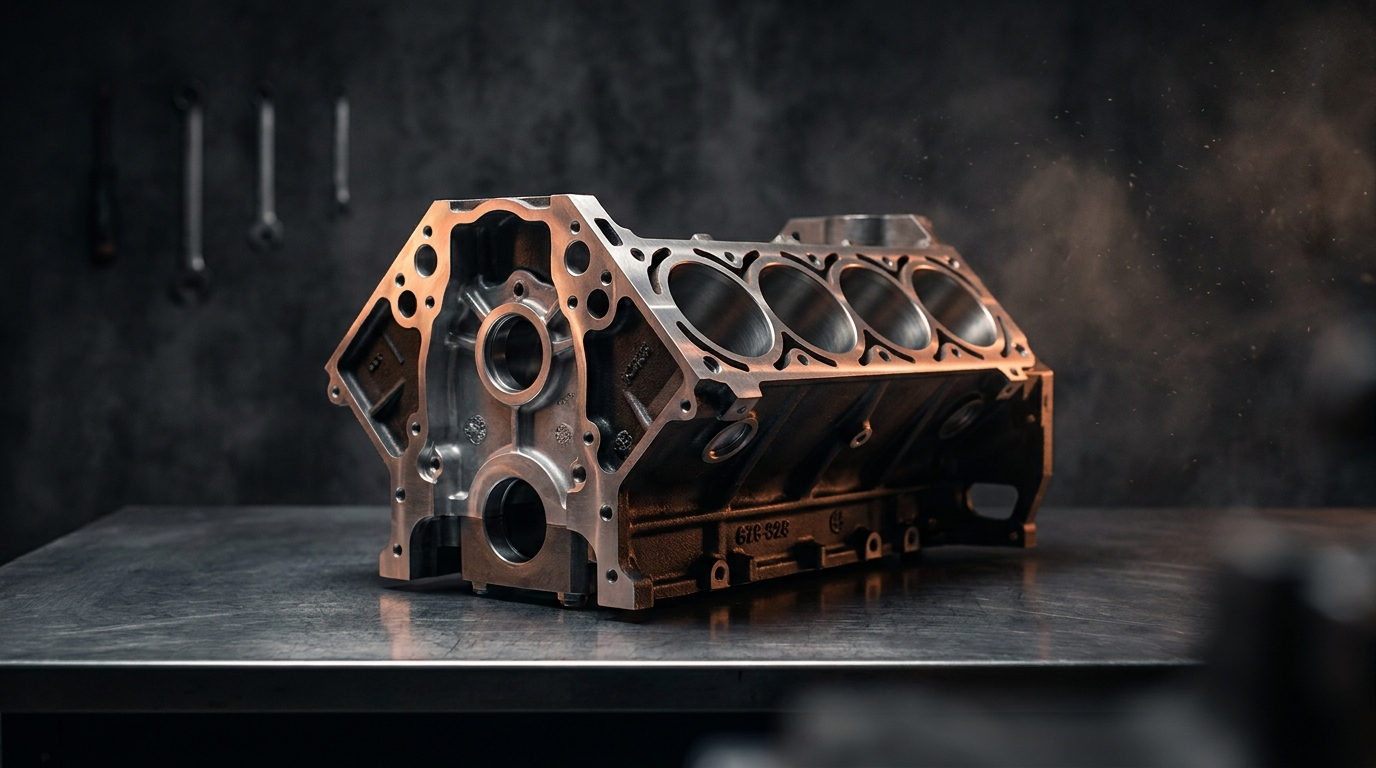
When a motor gives out, the first question is almost always the same: what is the cost to replace an engine, and is it worth it? The honest answer is that it depends on your vehicle, the type of engine you choose, and the shop doing the work. This guide lays out the real ranges, the parts and labor that make up the bill, and how to decide between repairing, replacing, or moving on from the vehicle.
What the cost to replace an engine really includes
The total bill is made up of two big pieces: the engine itself and the labor to install it. On top of that you have supporting parts like gaskets, seals, fluids, belts, mounts, and sometimes a new timing set or water pump that it makes sense to do while everything is apart. Skipping those small items to save money often backfires, because the labor to go back in later is the expensive part.
| Engine option | Typical part cost | Total installed range |
|---|---|---|
| Used engine | $500 to $2,500 | $1,500 to $5,000 |
| Remanufactured engine | $2,000 to $5,000 | $3,500 to $7,500 |
| Brand-new OEM engine | $4,000 to $9,000+ | $6,000 to $12,000+ |
These are ranges, not fixed prices. A common four-cylinder in a compact car sits at the low end. A large V8, a diesel, or a European performance engine can run well above these figures. Region and shop labor rates move the number too.
New, remanufactured, or used?
The engine you choose is the biggest single decision, so it is worth understanding the tradeoffs honestly.
Used engines
A good used engine pulled from a low-mileage donor vehicle is the cheapest path. The tradeoff is that you are buying a component with an unknown service history, so mileage and inspection matter. It is a reasonable choice for an older vehicle you plan to keep for a few more years.
Remanufactured engines
A remanufactured engine has been disassembled, worn parts replaced, and rebuilt back to a defined standard. It costs more than used but less than new, and it gives you a fresh starting point without paying full OEM price. For most people replacing a failed engine, this is the sweet spot between cost and peace of mind.
Brand-new engines
A new OEM crate engine is the most expensive option and usually only makes sense on a newer or higher-value vehicle where you plan to keep it for a long time.
What drives labor up
- Engine layout. A transverse front-wheel-drive engine crammed into a tight bay takes longer than a truck with room to work.
- All-wheel drive and complex accessories. More components to remove means more hours.
- Condition of surrounding parts. Rusted bolts and brittle plastic connectors slow the job down.
- Extras done at the same time. Clutch, timing components, and a water pump are cheaper to replace while the engine is out.
Labor is typically quoted in hours multiplied by the shop rate, and an engine swap is a big job, so a few extra hours add up fast.
Is replacing the engine worth it?
The math is simple in principle. Compare the total installed cost to replace the engine against the value of the vehicle with a healthy engine in it. If a solid remanufactured engine costs less than the vehicle is worth and the rest of the car is in good shape, replacing is usually the smart move. If the body, transmission, and everything else are also worn out, that money might be better spent elsewhere.
Our learn hub has guides that walk through this decision with real examples, and if you are also weighing driveline work, our pages on transmissions and transfer cases can help you plan the whole job.
How to keep the cost down
- Choose a remanufactured or quality used engine instead of new when the vehicle value supports it.
- Get a written quote that separates parts and labor so you can compare shops fairly.
- Do the sensible wear items while the engine is out, not later.
- Ask about the core charge, which is a refundable deposit returned when you send your old engine back.
Frequently Asked Questions
Is it cheaper to replace an engine or buy another car?
Often replacing is cheaper, especially if the rest of the vehicle is sound and you avoid a new-car loan. Compare the installed engine cost to what a comparable replacement vehicle would cost you.
What is a core charge?
A core charge is a refundable deposit added to the price of a remanufactured or used engine. When you return your old engine, the deposit is refunded. It exists because rebuildable cores are valuable.
How long does an engine swap take?
It varies by vehicle and shop workload, but a straightforward swap is often a couple of days, while complex layouts take longer. Ask your shop for a timeline before the work starts.
Does a replacement engine come with coverage?
Coverage varies by unit and manufacturer, with exact terms on each product page. Always read the specific terms before you buy so you know what is included.
If replacement is the right call, you do not have to pay new-engine prices for a dependable result. Steel Bay stocks remanufactured and quality used engines with free shipping, honest condition disclosure, and a refundable core deposit. Returns are accepted within 30 days on uninstalled units with free return shipping and no restocking fee. Have questions about fitment? Contact us and we will help you find the right engine for your vehicle and budget.


Add comment